
Choosing the right packaging can be challenging when businesses must balance cost, appearance, and functionality. Stock boxes and custom boxes offer two different approaches to meeting these needs. While stock boxes provide convenience and quick availability, custom boxes allow businesses to create packaging that fits their products and brand identity.
Understanding the differences between these options helps companies make informed decisions. Whether you operate an e-commerce store, a retail business, or a manufacturing company, your packaging choice can influence operational efficiency, customer satisfaction, and long-term business growth.
Understanding Stock Boxes and Custom Boxes
Before selecting between Stock Boxes vs. Custom Boxes, businesses should understand how stock boxes and custom boxes differ in design, availability, and functionality.
What Are Stock Boxes?
Stock boxes are pre-manufactured packaging solutions available in standard sizes, shapes, and styles. Businesses can purchase them in different quantities without waiting for a custom production process. They are suitable for companies that need reliable packaging for everyday shipping and storage.
These boxes are particularly useful for startups, small businesses, and retailers handling products with standard dimensions. Since manufacturers produce them in advance, businesses can usually obtain them quickly and begin fulfilling orders without significant preparation. However, stock boxes may not fit every product perfectly. Companies sometimes need additional cushioning or protective materials to fill empty spaces.
What Are Custom Boxes?
Custom boxes are packaging solutions designed according to specific product dimensions, branding requirements, and operational needs. Businesses can customize their size, structure, printing, materials, and finishing options.
For example, a cosmetics company might choose custom boxes with branded graphics and protective inserts. Similarly, an electronics manufacturer may require packaging designed to keep delicate components secure during transportation. Custom packaging offers greater flexibility, although production may require more planning, higher initial expenses, and longer lead times.

Cost Considerations and Budget Planning
Packaging costs directly affect profitability, making price an important factor when comparing custom display box.
- Stock boxes generally have lower upfront costs because manufacturers produce them in standard specifications. Businesses can purchase the sizes they need without paying for specialized designs, printing plates, or structural development. This makes stock packaging attractive to startups and companies managing limited budgets.
- Custom boxes, on the other hand, may involve higher initial expenses. Design development, printing, tooling, and minimum order quantities can increase the initial investment. However, custom packaging can reduce unnecessary material usage when boxes are designed to fit products precisely.
Businesses should evaluate the total cost rather than comparing unit prices alone. Shipping charges, protective materials, storage requirements, product damage, and packaging labor can all influence the final expense.
- The best approach: Choose stock boxes when simplicity and immediate affordability matter most. Consider custom boxes when better product fit, presentation, and operational efficiency justify the additional investment.
Branding and Customer Experience
Its appearance can influence how people perceive a business.
- Stock boxes typically offer limited branding opportunities unless businesses add stickers, labels, printed tape, or inserts. These additions can create a professional appearance without requiring fully customized packaging.
- Custom boxes provide more control over the customer experience. Businesses can incorporate brand colors, logos, product information, messaging, and distinctive visual elements. This consistency can help customers recognize the brand and create a more memorable unboxing experience.
For premium retail products, subscription services, and gift items, custom packaging can reinforce the product’s perceived value. In contrast, businesses selling everyday supplies may find standard boxes perfectly adequate. Nevertheless, branding should serve a purpose. Attractive packaging cannot compensate for poor product quality, unreliable delivery, or inadequate protection.
Product Protection and Packaging Fit
Protecting products during storage, handling, and transportation is another major consideration when choosing between these packaging options.
- Stock boxes work well when products match standard dimensions and do not require specialized protection. Businesses can select appropriate box sizes and use cushioning materials to minimize movement during transit. However, an oversized stock box may leave excessive space. This can increase the need for fillers, complicate packing, and potentially allow products to shift during delivery.
- Custom boxes can address these challenges by accommodating unusual shapes, fragile items, or products requiring specific internal supports. Custom inserts and carefully selected materials can improve stability while reducing unnecessary void space.
For example, a business shipping glassware may benefit from a box designed around the product’s dimensions and protective inserts.
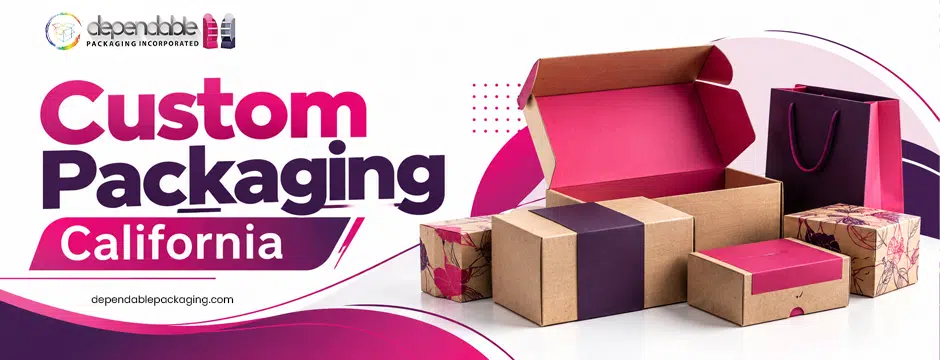
Still, Custom Packaging California is not automatically safer. Its effectiveness depends on material strength, box construction, product weight, and testing under realistic shipping conditions.
Storage, Inventory, and Operational Efficiency
Packaging decisions also affect warehouse organization and order fulfillment.
- Stock boxes are convenient because businesses can replenish commonly used sizes as needed. They are especially helpful when product demand changes frequently, or companies ship many different items in relatively small quantities. However, maintaining numerous standard box sizes can create inventory management challenges. Businesses may also need additional storage space for boxes that do not efficiently accommodate their products.
- Custom boxes can simplify packaging operations when a company ships a consistent range of products. Standardized, product-specific packaging may reduce packing time, limit the need for fillers, and improve warehouse workflows.
On the other hand, customized packaging requires accurate demand forecasting. Ordering excessive quantities can tie up capital and occupy valuable storage space. Significant product changes may also make existing packaging obsolete.
Businesses should therefore consider order frequency, available warehouse space, supplier lead times, and the stability of their product range before deciding.
Sustainability and Material Waste
Sustainability is becoming an important consideration in packaging strategy. Both stock and custom boxes can support responsible packaging practices when businesses select suitable materials and dimensions.
- Stock boxes may already be available in recyclable corrugated cardboard and other commonly used packaging materials. Their established production processes can make them a practical option for businesses seeking straightforward packaging solutions.
- Custom boxes can help reduce excess packaging by matching the product’s size more closely. A better fit may lower the amount of void fill required and reduce shipping volume, depending on the design.
However, custom packaging can also generate waste when businesses order excessive quantities or frequently change their specifications.
To improve sustainability, companies should prioritize recyclable materials, avoid unnecessary layers, choose appropriately sized boxes, and evaluate the packaging’s full lifecycle. The objective is not simply to use less material, but to protect products effectively while minimizing avoidable waste.
When Should Businesses Choose Stock Boxes or Custom Boxes?
The right choice between Stock Boxes vs. Custom Boxes depends on business priorities, product requirements, and growth plans.
| Business requirement | Recommended option | Reason |
| Immediate packaging availability | Stock boxes | Ready-made sizes simplify purchasing |
| Limited initial budget | Stock boxes | Usually require less upfront investment |
| Distinctive brand presentation | Custom boxes | Offer greater design flexibility |
| Unusual product dimensions | Custom boxes | Can accommodate specific measurements |
| Frequent product changes | Stock boxes | Provide flexibility across different products |
| Consistent, high-volume shipping | Custom boxes | May improve packing efficiency |
| Specialized internal protection | Custom boxes | Allow tailored inserts and construction |
| Simple, everyday shipments | Stock boxes | Meet basic packaging requirements |
These recommendations are general guidelines rather than fixed rules. For example, a small business may benefit from custom packaging for its flagship product while using stock boxes for other shipments.
A hybrid strategy can often deliver the best balance between flexibility, branding, and cost control.
Building a Packaging Strategy That Supports Growth
A successful packaging strategy should evolve alongside the business. Companies should begin by evaluating product dimensions, shipping requirements, order volumes, customer expectations, and available budgets. Next, they should compare the complete costs of both options. This includes box prices, storage, packing labor, shipping expenses, protective materials, and potential product damage.
Testing is equally important. Businesses can trial different box sizes, evaluate packaging performance during transit, and gather customer feedback before committing to large orders. As order volumes increase, packaging requirements may change. A stock-box solution that works for a new business might become inefficient when daily shipments rise. Conversely, a company introducing new products may prefer stock boxes until demand becomes predictable. Regular reviews help businesses identify opportunities to improve efficiency without sacrificing protection or presentation.
Conclusion
Stock Boxes vs. Custom Boxes serve different purposes, and the right choice depends on your products, budget, operational requirements, and branding goals. Stock boxes offer convenience and straightforward purchasing, while custom boxes provide greater control over packaging fit, product presentation, and customer experience. For many businesses, combining both options creates a practical, flexible packaging strategy.
To explore packaging solutions that align with your business requirements, visit Dependable Packaging. Review the available options and identify packaging that supports your product protection, shipping efficiency, and long-term business objectives.
FAQs
Stock boxes come in standard sizes and designs, while custom boxes are designed around specific product dimensions, branding, and packaging requirements.
Stock boxes generally have lower upfront costs. Custom boxes may require additional investment in design, printing, and production, but can improve packaging efficiency.
Custom boxes are better for distinctive branding because businesses can incorporate logos, brand colors, printed messages, and personalized packaging designs.
Custom boxes can improve protection through precise sizing and specialized inserts. However, protection also depends on material strength, construction, and shipping conditions.
Yes. Businesses can use stock boxes for everyday shipments and custom boxes for premium products, fragile items, or orders requiring a distinctive customer experience.
RAG
Stock boxes and custom boxes offer different advantages for packaging budgets. Stock boxes generally require lower upfront investment and provide quick availability in standard sizes. Custom boxes may involve higher initial production costs but can improve product fit and reduce the need for excess cushioning. Businesses should compare unit prices alongside storage, labor, shipping, and material expenses to determine which option offers better overall value.
Custom boxes allow businesses to incorporate brand colors, logos, product information, and specialized structural designs. Their tailored dimensions can help secure products during transportation and minimize unnecessary space. Stock boxes remain practical for standard products and routine shipments. The right packaging choice depends on product fragility, customer expectations, branding priorities, and shipping conditions. Both options can deliver reliable protection when businesses select suitable materials and appropriate box dimensions.
An effective packaging strategy balances cost, flexibility, operational efficiency, and customer experience. Stock boxes are useful for startups, changing product ranges, and immediate packaging requirements. Custom boxes may suit established businesses with consistent order volumes, distinctive branding needs, or specialized product dimensions. A hybrid approach can offer additional flexibility by combining standard packaging for routine orders with customized solutions for selected products. Regularly reviewing packaging costs, product protection, and inventory requirements helps businesses make informed decisions as they grow.